Why women feel fatigue and brain fog
Hormones, daily routines, and the modern workplace can all influence how energised and clear‑headed women feel. Cyclical changes in oestrogen and progesterone, long periods of sitting, and reliance on high‑sugar snacks may be linked with fluctuations in energy, mood, and concentration. Research on menstrual cycles and menopause suggests that these symptoms are shaped by biological, psychological, and social factors, but most studies are qualitative or observational, so they highlight patterns rather than proving cause and effect.
The ideas below draw on this evidence and on clinical guidance and are intended as supportive strategies rather than treatments. If fatigue, cognitive changes, or mood symptoms are persistent or severe, it is important to speak with a GP or relevant specialist.
Recommendations
Eating to support steadier energy
What and when we eat can influence how steady our energy feels across the day. A balanced, protein‑rich breakfast can be helpful. A meal such as oats with seeds and Greek yoghurt or eggs on wholegrain toast may slow glucose absorption and may support sustained energy and mental acuity.
Snack wisely
Replace biscuits and sweets with fruit and nuts, oatcakes with houmous, or carrot sticks. Peer-reviewed studies show fibre and protein-based snacks may help to buffer blood glucose, minimising post-lunch lulls.
Eat for focus at lunch
Salmon fillet (wild) with brown rice and greens, quinoa stir-fry, or chicken salad are examples of meals that provide omega-3 fatty acids and iron from lean protein and green vegetables. These nutrients may help to support cognitive function, especially during low energy phases of the menstrual cycle.
Limit sugars and refined carbs
Replace pastries and sweet snacks with wholefoods. Refined sugars may contribute to fatigue through sharp glucose spikes followed by perceived neuroglycopenic “crashes”.
Hydration matters
Many adults find that around 1.5–2 litres of fluid per day, mainly water and non‑sugar drinks, helps with concentration and comfort.
Movement micro‑breaks for body and brain
Many women in desk‑based roles spend long periods sitting and looking at screens. Studies suggest that short, regular movement breaks may help some people feel more focused and offset physical fatigue from long sitting.
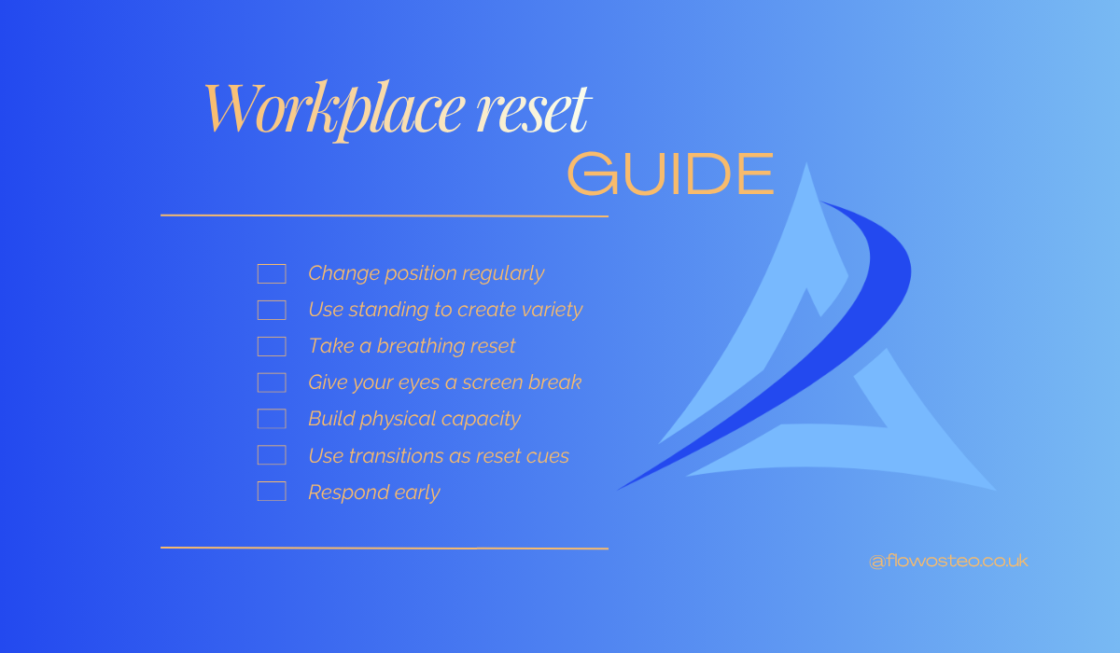
Standing up briefly every 30–60 minutes, walking to get water, or doing a quick lap around the office can support circulation and joint comfort. Simple movements such as squats, heel raises, arm circles, or gentle stretches are not a replacement for structured exercise but can be realistic ways to reduce the impact of prolonged sitting. Educational resources on menstrual health also suggest that regular physical activity may ease period‑related discomfort and support mood.
Hormones, autonomy, and support
Research on women’s experiences of menstruation and menopause highlights that symptoms often affect work, identity, and confidence, and that women can feel dismissed or misunderstood. These studies are mainly qualitative, so they emphasise themes and lived experiences rather than precise risk estimates, but they underline the importance of being heard and having access to informed choices.
Decisions about contraception, menopausal treatment, and lifestyle changes are personal and should be made collaboratively, with clear explanation of benefits, risks, and uncertainties. Workplace adjustments-such as flexible breaks and reasonable environmental changes-may sit alongside nutrition, hydration, movement, and rest as practical ways to support energy and clarity day to day.
Given the limits of current evidence, these suggestions are best viewed as starting points to experiment with, rather than fixed rules. Paying attention to your own patterns over the month and seeking professional advice when needed can help you tailor these ideas to your life.
FLOW OSTEO
FLOW works with women and workplaces to address musculoskeletal strain, support sustainable movement habits, and create environments that are more compatible with hormonal health and day‑to‑day energy.
References
Women’s Menopausal Experiences in the UK: A Systematic Review” (2025)
A UK study: Menopausal and perimenopausal women’s biopsychosocial experiences, understanding of treatment options, and thoughts towards their future lives. (2025)
Exercise, diet & periods” (Australian/UK peer-reviewed summary) (2025)
Women’s health, hormonal balance, and personal autonomy” (Frontiers in Medicine 1167504) (2023)
Knowledge: Women’s hormonal health” (Newson Health, summary of recent trial findings) (2024)