
Do we all stop scrolling when a “free hug” video pops up?
Once, it was a cardboard sign: “Free Hugs” held out to anyone willing to step forward. Now the videos look different. No sign, no offer – just a question: “Can I have a hug?”
That tiny shift says a lot. Are we less willing to give, or simply more honest about how much we need? In a world where messages travel faster than ever, so many of us still feel disconnected – from others, and from our own bodies.
At FLOW Osteo, this is where the work begins: in that gap between how connected we look on paper and how disconnected we feel in our skin. This piece is a gentle invitation to remember that nervous systems sit behind every job title – and that caring for bodies is one of the quietest, strongest ways to support mental health at work.

- Exhausted but wired – the body buzzing as if the workday never ended.
- On edge but strangely numb – emotions flickering between sharp reactions and flatness.
- Bone‑tired but unable to switch off – the system stuck in “go” mode, even in the dark at 3am.
This is what a nervous system in survival mode can feel like after long‑term stress at work: the brake and the accelerator pressed down at the same time, leaving people tense, achy, and unable to truly rest.
The body keeps the story long after the moment has passed.
Sometimes it arrives as “just” a tight shoulder from years of carrying deadlines, teams and to‑do lists. Or a clenched jaw from back‑to‑back meetings that never quite feel finished. A heavy, braced mid‑section from constantly “holding it together” through change, targets and uncertainty.
These are ordinary work stories written into muscle and fascia: slow build‑up of responsibility, pressure and worry that the body has been quietly absorbing for a long time.
In the treatment room at FLOW Osteo, what shows up as neck pain, headaches or low back ache is often threaded with something quieter: overload, responsibility, a nervous system that has been on high alert for too long. The tissues are not making it up; they are remembering, adapting, trying to protect.
When we work with the body – with breath, with gentle movement, with touch – we are not only easing muscles. We are giving the whole system a chance to soften its story, to find a slightly easier way to be here.
When you think of your own body right now, which area feels like it has been “holding on” the longest?

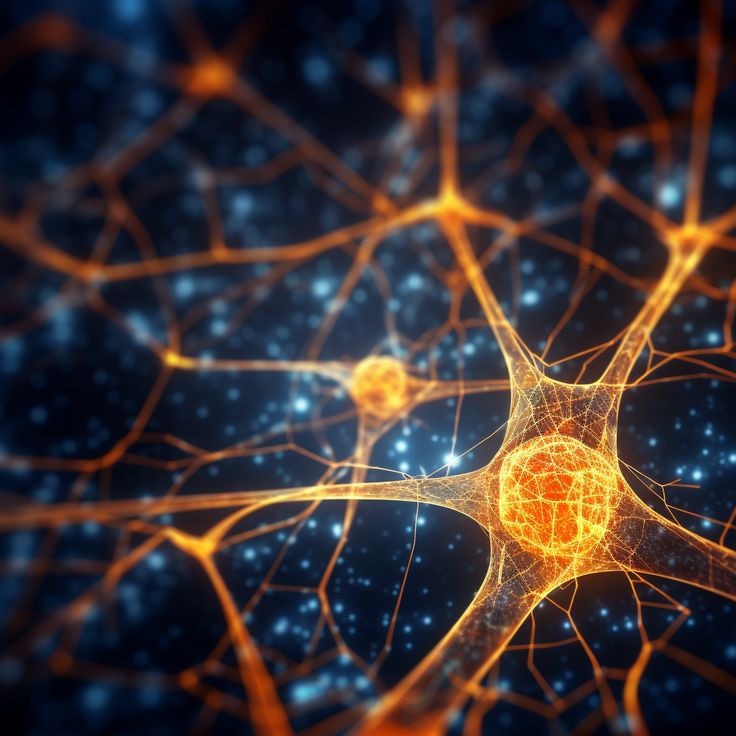
Pain is not an enemy; it is a protector – the nervous system turning up the volume to keep us safe.
Under ongoing stress, disrupted sleep or feeling isolated, the nervous system can become more sensitive, so pain signals are amplified even when there is no new tissue damage. The brain is constantly weighing up context – workload, emotional strain, past experiences, beliefs, sense of safety, – not just what shows on a scan or X‑ray. In that sense, pain can be understood as the body’s honest report on overload: a way of saying, “this is too much for me to manage on my own; I need you to pay attention.”
When you read that, does it feel reassuring, confronting, or a bit of both in relation to how you think about your own pain?
For many people, simply understanding this changes the relationship with pain. Instead of fighting it or feeling betrayed by the body, there can be a bit more curiosity: What is my system trying to protect me from? What has been “too much” for too long?
Gentle, body‑based approaches – movement, breath, touch, – can help the nervous system feel safer, and when the system feels safer, pain often softens. Not as magic, not overnight, but as a gradual shift from alarm to dialogue.
When you think of pain this way, as a message rather than just a fault, what does your own pain (past or present) feel like it might have been trying to say?
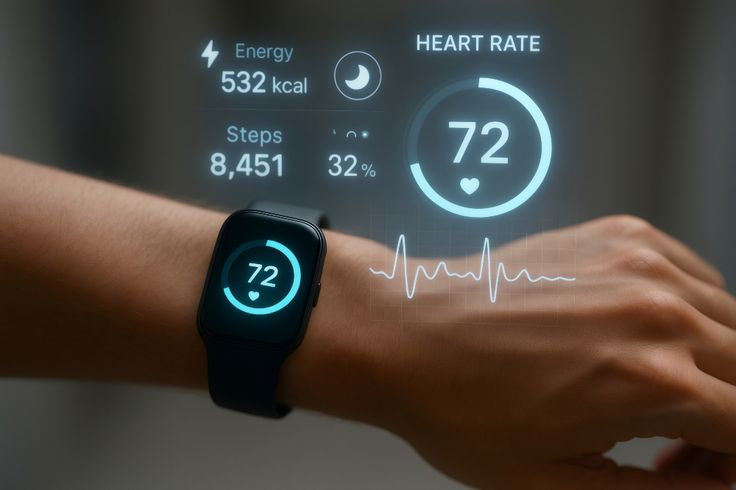
We now have more tools than ever to track how we are doing. Apps can log our mood, AI can offer information and exercises, wearables can show us how we slept and how often our heart rate spikes in a meeting. Used well, these tools can be powerful: they can prompt reflection, spot patterns and make support more accessible.
But they cannot breathe for us. They cannot unclench a jaw, soften a ribcage or feel the warmth of a steady hand on a tense back. They can point towards wellbeing, but they cannot replace the lived experience of being in a body that feels a little safer, a little less alone.
For Mental Health Awareness, “checking in” might start with a screen – but it cannot end there. It also means noticing your jaw as you read this, your breath as you join the next call, your posture as you open your laptop again. It means recognising that every target, every deadline, every role in your organisation is carried by a nervous system.
In UK workplaces, stress, depression and anxiety are now among the leading reasons people are off sick, and musculoskeletal problems like back and neck pain account for millions of lost working days each year. Very often, they sit together in the same body. What reaches a manager’s desk as “back pain” or “stress” is usually a whole story of overload, poor sleep, hidden responsibilities and a nervous system that has been coping alone for a long time.
When we look at absence through that lens, a sick note stops being a frustration and becomes an early warning light – a chance to ask, “What support does this person’s body and mind need right now?” rather than “How quickly can they be back at full speed?”.
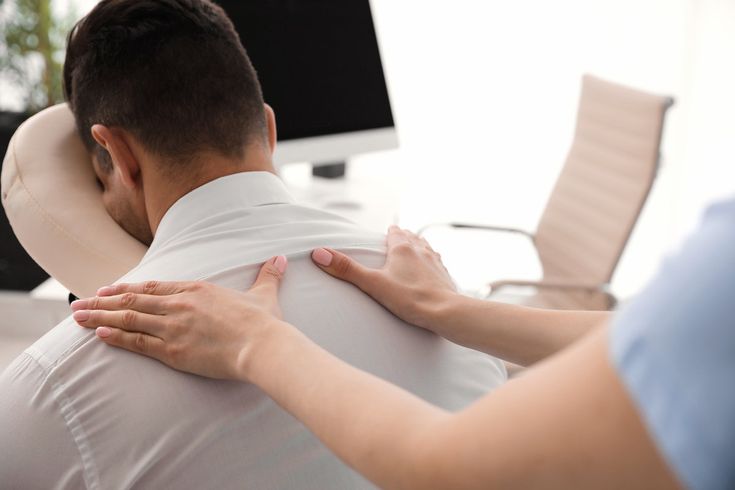
This is where FLOW Osteo can sit alongside your existing systems. On‑site osteopathic support offers a practical way to care for the bodies that carry your organisation: easing pain, improving movement, and giving people simple, realistic tools to regulate their own nervous systems between sessions. It is a quiet intervention with very human effects: staff who feel seen, who understand their pain a little better, and who are more able to stay in work without running on empty.

We have so many resources available now – technology, knowledge, treatments, workplace programmes. The next step is choosing the right combination for your people: tools that measure, and spaces that help them actually feel better.
So, when the next sick note lands on your desk – for “stress”, for “back pain”, or with no reason written at all – one powerful question might be: what would it look like to support this person’s nervous system, not just manage their absence?
If you’d like to explore what this could mean in your organisation, FLOW Osteo offers on‑site osteopathic support and practical, body‑based tools for your people. My door is open.