Elbow discomfort is not always just about the joint itself. In many cases, it is linked to how the muscles of the upper arm and forearm manage load, control movement, and respond to repeated gripping, lifting, and pressing.
I want to talk about three muscles play an important role here: the biceps brachii, brachialis, and brachioradialis. Although they all help bend the elbow, each contributes slightly differently depending on the position of the forearm. This is why changing grip during curl exercises can be useful when working on elbow strength, control, and shoulder-friendly movement patterns.
Why forearm position matters?
The position of the hand changes how the elbow flexor muscles work.
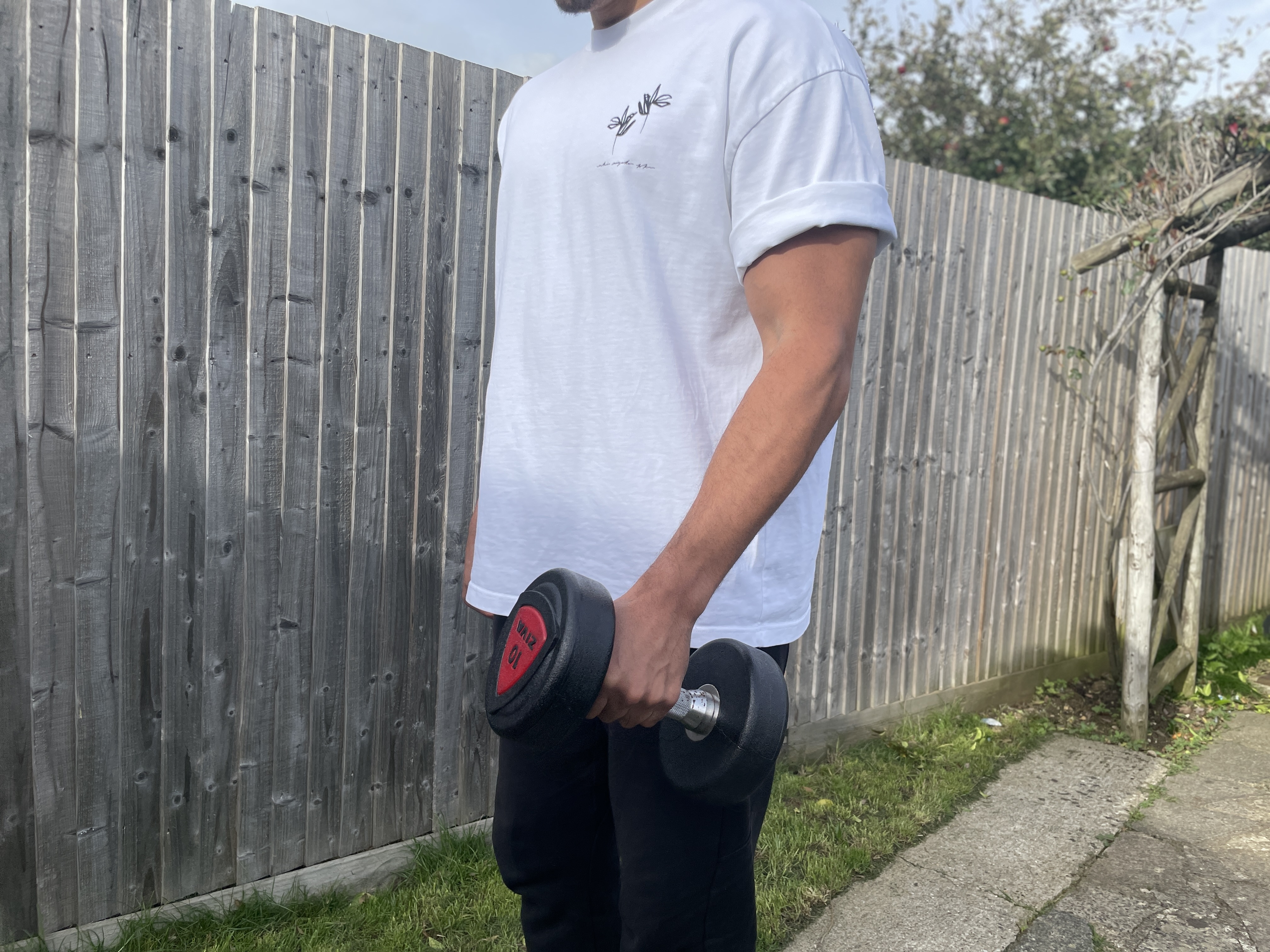
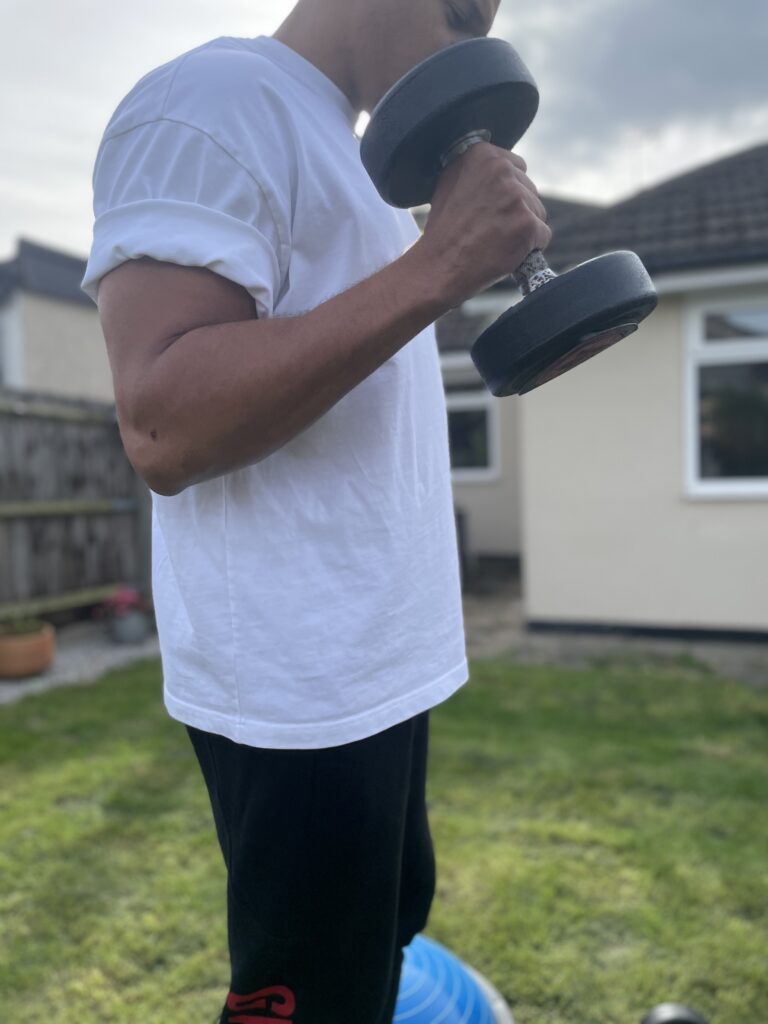
With a supinated grip, the palm faces up. In this position, the biceps brachii contributes strongly to elbow flexion and helps maintain forearm supination, while the brachialis continues to provide steady elbow flexion.
With a neutral grip, the palm faces inward, as in a hammer curl. This position tends to increase the relative contribution of brachioradialis, which helps with elbow flexion and control of the forearm around neutral.
With a pronated grip, the palm faces down. In this position, the biceps brachii still contributes to elbow flexion, but its relative contribution is reduced because the movement does not allow it to express its supination role as effectively, so brachialis and brachioradialis tend to take on more of the work.
If the curl begins in pronation and rotates into supination during the lifting phase, the role of the biceps brachii becomes more pronounced. In that version of the movement, the biceps can contribute both to elbow flexion and to active supination of the forearm, making it especially useful for training control through rotation as well as strength through the curl itself.
Training in all positions can help improve strength and coordination across a wider range of movement rather than in one grip alone.
The role of the three muscles
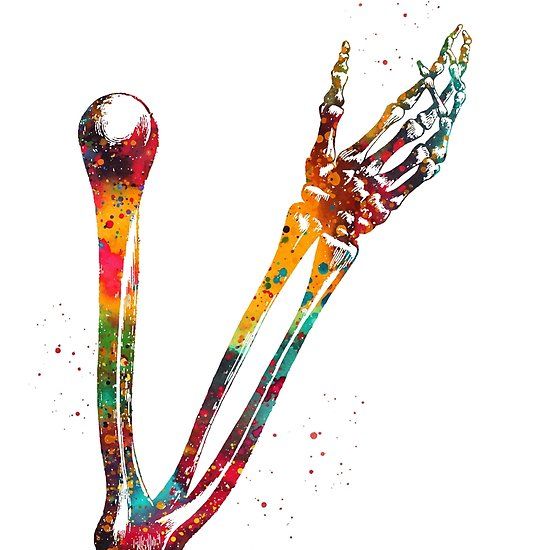
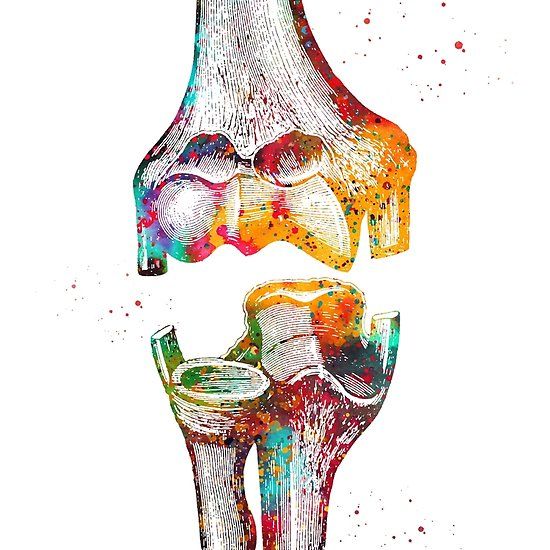
The biceps brachii sits at the front of the upper arm and helps with both elbow flexion and forearm supination. It tends to be more involved when the hand is turned upwards or when a movement rotates from palm-down to palm-up.
The brachialis lies underneath the biceps and acts as a reliable elbow flexor regardless of whether the forearm is pronated, neutral, or supinated. This makes it an important muscle for steady elbow support.
The brachioradialis runs along the forearm and helps with elbow flexion, particularly when the hand is in a neutral position. It also helps control movement as the forearm transitions between pronation and supination.
Together, these muscles help the arm deal with load more efficiently.
Why this matters for elbow pain and movement control?
From an osteopathic point of view, improving elbow function is not only about strengthening one muscle. It is about improving how the elbow, forearm, wrist, and shoulder work together.
This can be especially relevant for people who notice elbow pain or weakness during:
- Gym training
- Repetitive lifting
- Carrying heavy bags
- Kettlebell work
- Landmine press variations
- Racquet sports
- Manual work
- Desk-based overload combined with training
When the elbow flexors are trained in different forearm positions, the arm can become better at managing load, resisting unwanted movement, and maintaining control under pressure.
Why technique matters?
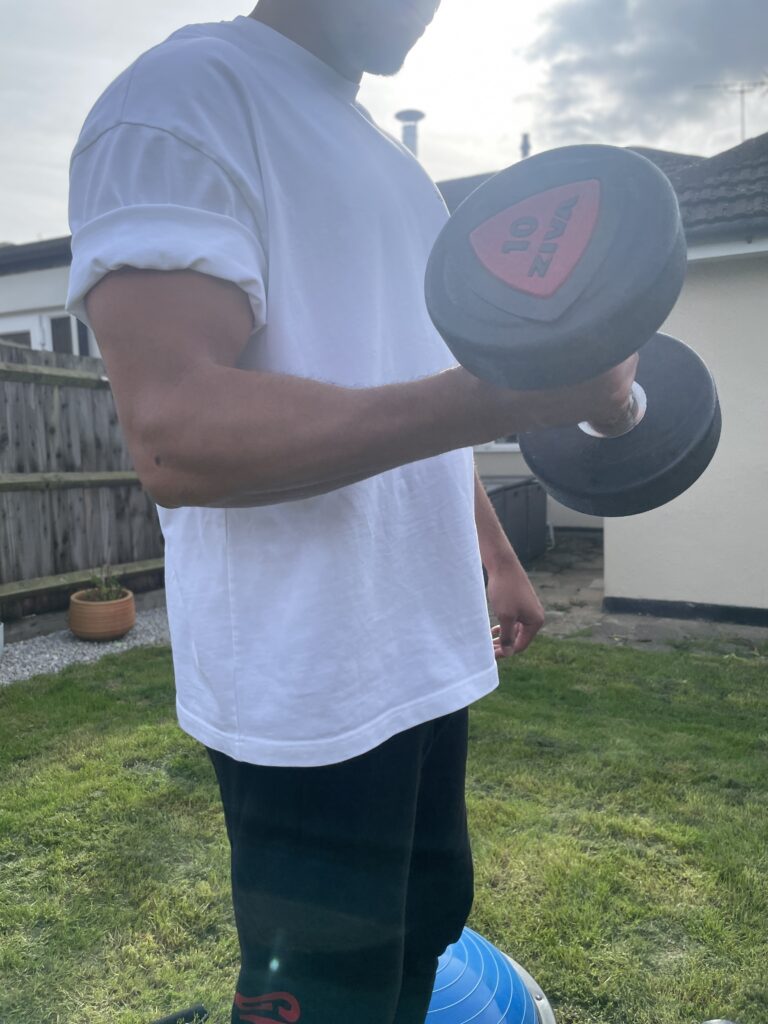
Technique is just as important as exercise selection. To make curl variations more effective and more shoulder-friendly, it helps to keep the elbow close to the side of the body, the wrist straight, and the movement smooth.
If the elbow drifts too far forward or the shoulder starts to lift and roll, the front of the shoulder can begin to take over. This often reduces the quality of the exercise and may place more strain on areas that are already working hard.
Using a slower lifting and lowering phase can improve awareness and reduce the tendency to swing the weight. In many cases, better control is more useful than simply using heavier loads.
How osteopathy can help?
If you are dealing with ongoing elbow pain, forearm tightness, reduced grip confidence, or discomfort during pressing and lifting, a full assessment can help identify what is really driving the issue.
At FLOW OSTEO, we look at more than just the painful area. We assess how the elbow functions alongside the wrist, forearm, shoulder, and upper back, and we use this to guide treatment, exercise advice, and load management.
This may include:
- Hands-on treatment
- Movement assessment
- Exercise rehabilitation
- Advice on training technique
- Support with returning to the gym or sport
When to seek help
It may be worth seeking professional advice if you notice:
- Elbow pain that does not settle
- Pain with gripping or lifting
- Weakness during curls, rows, or pressing
- Recurrent forearm tightness
- Pain that keeps returning when you train
- Difficulty controlling the arm under load
Early support can often help prevent a minor issue becoming a more persistent problem. Curls are not just an arm exercise. When used well, they can be a useful way to improve elbow strength, forearm control, and shoulder-friendly loading. It is possible to challenge the biceps brachii, brachialis, and brachioradialis in slightly different ways by using supinated, neutral, and pronated grip variations,. This can help build a more resilient arm for everyday tasks, gym-based training, and more demanding loaded movements.