
Osteopathy at FLOW OSTEO aims to help patients better understand and manage aspects of chronic pain using practical, neuroscience informed methods that are both actionable and cautiously rooted in recent academic evidence.
The 2023 integrative neuroscience model on chronic pain proposes a unified theoretical framework for how pain can become persistent, rather than a step by step treatment guide, and it points to potentially modifiable factors that may be relevant when supporting people living with long-term pain. This work highlights that negative expectations and reduced sense of control and agency- feeling unable to influence one’s own pain – can contribute to pain persistence, and it indicates that these factors may be modifiable through targeted psychological and behavioural interventions.
Specific Methods to Support Chronic Pain Management
1. Building Positive Expectation and Agency
Chronic pain often persists when individuals feel powerless or expect setbacks, yet the 2023 model and related research suggest these factors can be changed with tailored support. FLOW OSTEO collaborates with patients to set achievable, meaningful goals, such as walking to the shop or spending time gardening, which place emphasis on activity rather than pain levels. Keeping a weekly diary of progress, and actively reflecting on each accomplishment, cultivates a sense of capability and shows tangible improvement, even if pain fluctuates. Visualising success and recalling small wins helps reinforce new, positive feedback loops.
2. Rewarding Non-Painful Activities
Instead of pushing through pain or withdrawing from movement, patients are supported to break activities into manageable steps, with planned, enjoyable rewards after each effort. For example, after a five-minute walk, a small reward, such as a chat with a friend, a cup of tea, or listening to favourite music, should be planned. These small rewards help the brain gradually associate movement with pleasure, which may over time shift expectations away from pain towards enjoyment and success. FLOW encourages scheduling absorbing, uplifting activities, whether creative hobbies (cooking, painting), social contact, or gentle exercise, each day to activate the brain’s reward systems and help disrupt unhelpful pain-emotion patterns.
3. Shared Goal Setting
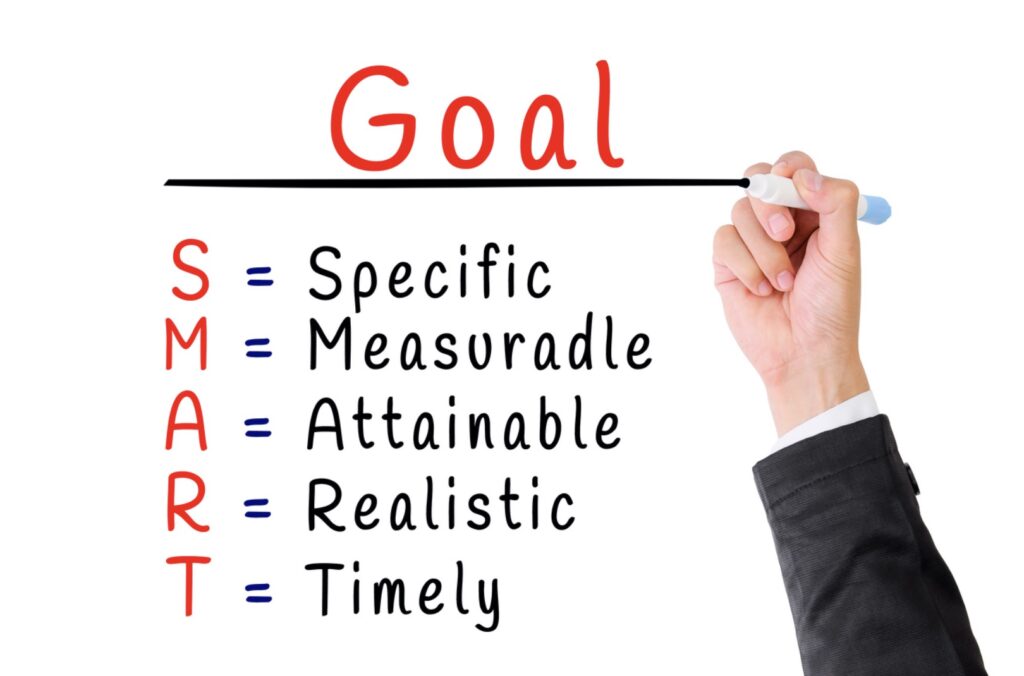
Goals are set and reviewed together with an osteopath, focusing on what matters to the patient: increasing function, adapting daily routines, and restoring a sense of control. This process is dynamic, where progress is celebrated, setbacks are navigated constructively, and new activities are introduced when readiness increases. Patients are guided to begin with realistic targets, record each instance of activity, and focus attention on what has been achieved rather than the pain experienced.
Example: How to Explore These Methods in Daily Life
Choose one meaningful, realistic activity you want to increase (e.g., walking with the dog for five minutes, three times a week, or visiting a friend who lives on the hilltop). Break it into small steps and set a clear, measurable goal.
4. Why These Approaches May Help
Regular movement, enjoyable experiences, and evidence of progress can all help dampen the brain’s threat response and pain signals. Over time, these interventions can help demonstrate that activity and pleasure are safe, gently supporting a shift in pain processing towards greater confidence and better functioning. Consistency is crucial: the more often new feedback loops are activated, the stronger their positive impact on both mind and body is likely to be.
In line with the 2023 model, Osteopathy at FLOW draws on these integrative neuroscience principles as part of broader osteopathic care. These approaches are used to support patients in living a life that places value on activity, connection, and realistic hope, while acknowledging that no single approach works for everyone and individual responses to treatment can vary.

Reference
Büchel C. The role of expectations, control and reward in the development of pain persistence based on a unified model. Elife. 2023 Mar 27;12:e81795.