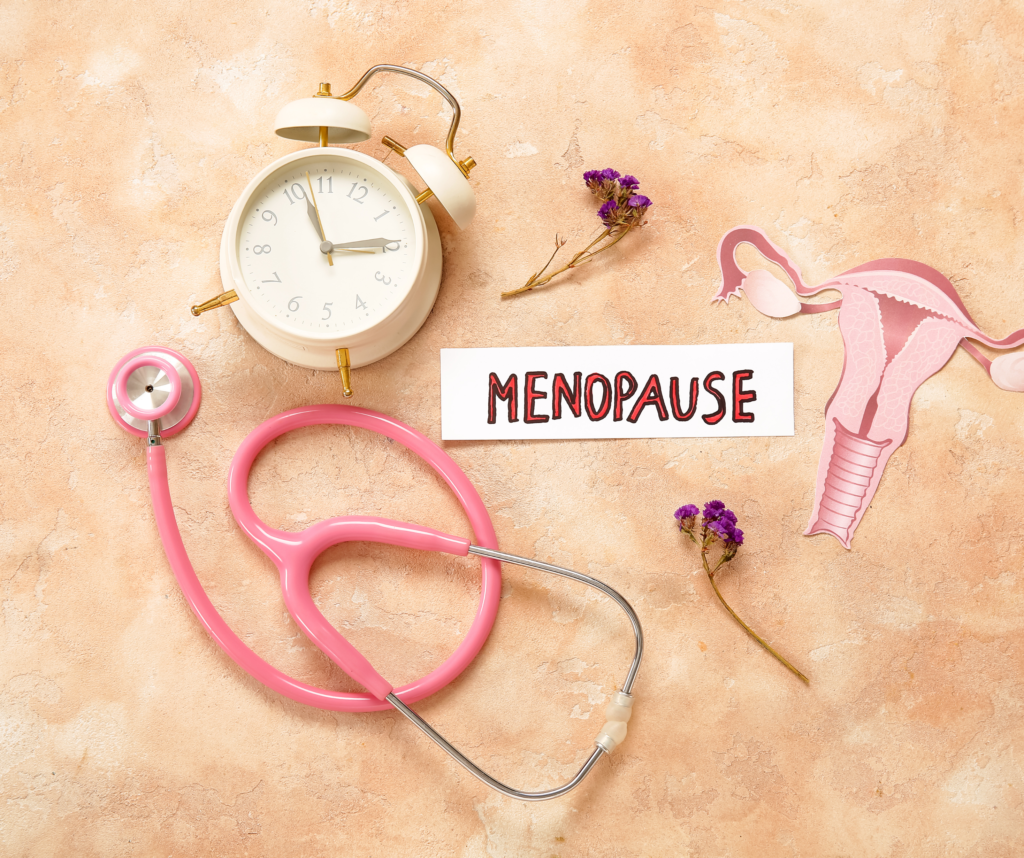
Perimenopause is the period ‘around’ the menopause during which hormone levels fluctuate and menstrual cycles change, typically beginning before the final menstrual period and continuing until about 12 months after it. Many women notice that these hormonal shifts coincide with changes in sleep, mood and energy, and describe increased tiredness and difficulties with concentration during this time.
Why Perimenopausal Women May Experience Fatigue and Brain Fog
In perimenopause, fluctuating levels of oestrogen and progesterone can influence sleep quality, temperature regulation and mood, which may in turn affect daytime energy and cognitive clarity. Rather than a single cause, most women’s experiences reflect a combination of hormonal change, workload, caring responsibilities, stress, and preexisting health factors.
Hormonal variation may increase vulnerability to feeling drained or “foggy”, especially when combined with sedentary office routines, long screen time, and disrupted sleep. Work place focused reviews highlight that some women report reduced concentration and productivity at work, while others adapt well, underscoring that responses to perimenopause are highly individual.
Research Informed Lifestyle Ideas
The following suggestions are informed by emerging evidence from women’s health research, general nutrition guidance and studies on movement around the menopausal transition. They are not a substitute for medical assessment, and what works best can differ between individuals.
Low GI, protein focused meals:
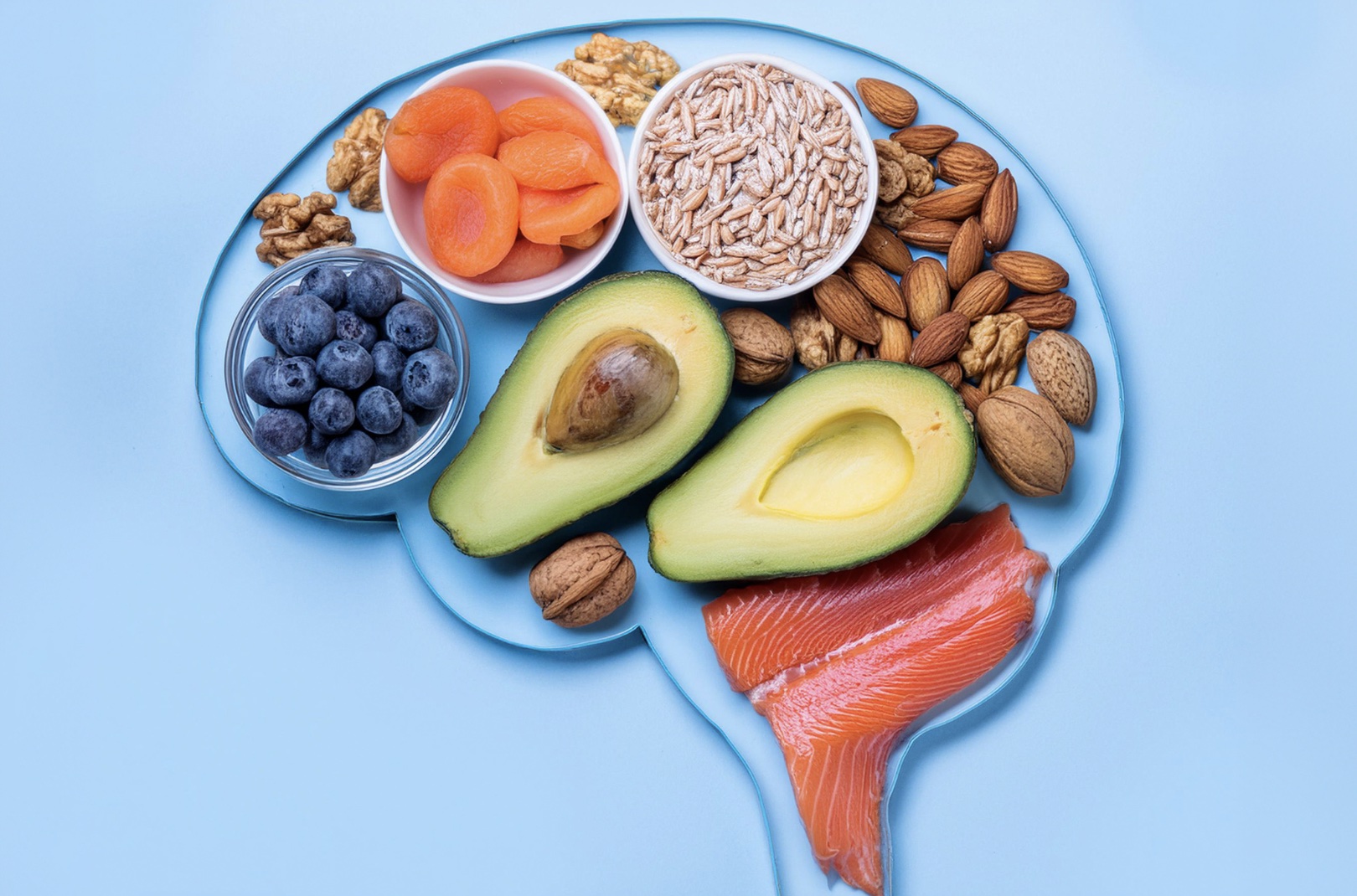
Choose lentil soup, grilled fish with quinoa salad, or wholegrain wraps with houmous and spinach; these options tend to digest more slowly and may support steadier blood sugar and more consistent energy across the day. While most data come from broader women’s health and metabolic studies rather than perimenopause only trials, similar principles are often recommended clinically to help reduce mid-afternoon “slumps” and support overall wellbeing.
Calcium and vitamin D:
Include leafy greens, dairy or fortified plant milks, and oily fish to help support bone health during and after the menopause transition, when bone density can decline. Some women also report that better nutritional status is linked with feeling less fatigued, although direct cause-and-effect between these nutrients and brain fog in perimenopause remains not well understood.
Healthy fats and phytoestrogens:
Nuts, seeds such as flaxseed, and soya based foods contain healthy fats and plant-derived compounds that may have oestrogen like effects. Peer reviewed work suggests these foods can contribute to anti-inflammatory dietary patterns and might ease some menopausal symptoms for women, but effects are not universal.
Structured snacking:
Opting for berries with Greek yoghurt, or a small handful of nuts, can help maintain more stable energy compared with snacks rich in refined carbohydrates, which are more often associated with rapid rises and falls in blood sugar. Many women find that planned, protein and fibre-containing snacks reduce the likelihood of “energy crashes” and ease concentration dips later in the day.
Gentle, regular movement:
Stretching, walking, Pilates and yoga are all associated with improvements in mood, perceived stress and several menopausal symptoms, including sleep and vasomotor complaints, in many women. Research suggests that even around 30 minutes of light to moderate activity most days, broken into 5-10 minute bouts (for example, short walks, mobility or desk based exercises), can be a realistic way to support energy and clearer thinking.

Hydration focus:
Aiming for around 1.5–2 litres of fluid across the day is a common general recommendation for adults, adjusted for body size, activity levels and medical advice. For women experiencing hot flushes or night sweats, prioritising regular water intake and limiting excess caffeine and alcohol may help with comfort and daytime alertness, even though the direct impact on brain fog has not been conclusively quantified.
Autonomy, Individual Choice and Support
Recent work in women’s health emphasises the importance of balanced, non-biased information and shared decision making around hormonal and non-hormonal options. Many women benefit from combining lifestyle approaches such as movement, nutrition and sleep strategies with tailored medical care (for example HRT or other treatments), depending on symptom pattern, medical history and personal preferences.
Women’s experiences of perimenopause are closely tied to workplace culture, social support and how confidently they feel able to discuss symptoms with healthcare professionals and employers. Creating space for informed conversations, reasonable adjustments at work, and access to evidence based resources can help women maintain quality of life, energy and cognitive performance during this transition.
References
Women’s Menopausal Experiences in the UK: A Systematic Review” (2025)
A UK study: Menopausal and perimenopausal women’s biopsychosocial experiences, understanding of treatment options, and thoughts towards their future lives. (2025)
Exercise, diet & periods” (Australian/UK peer-reviewed summary) (2025)
Women’s health, hormonal balance, and personal autonomy” (Frontiers in Medicine 1167504) (2023)
Recent summaries on women’s hormonal health and menopause care in the UK (2024–2025).