
Touch, Uncertainty and Allostasis: A Holistic Osteopathic Perspective on Therapeutic Alliance in Musculoskeletal Care
In the previous blog, I explored how touch‑related sensory input is described in neurophysiological and computational models of pain. In this follow‑up piece, I focus on one recent theoretical framework that looks at how touch, uncertainty and therapeutic alliance might interact during real‑world musculoskeletal care, while recognising that this work is primarily conceptual and not a test of clinical effectiveness.
McParlin et al. (2022) present a theoretical framework integrating therapeutic alliance, therapeutic touch, and active inference to explain clinical interactions in musculoskeletal (MSK) care. The authors draw on diverse evidence from basic neuroscience, psychophysiology, attachment theory, placebo/nocebo effects, and qualitative MSK research, framing their claims as hypothesis-driven proposals rather than definitive findings.
Core Proposal
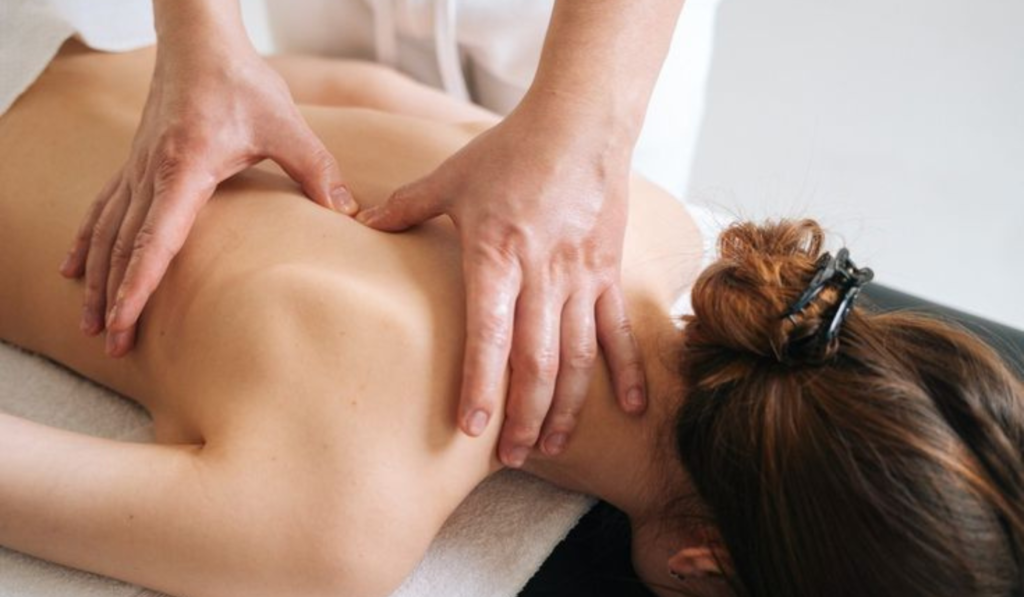
Therapeutic touch is described in this framework as a key channel for biobehavioural synchrony between healthcare providers and patients, conceptualised through active inference, predictive processing, and allostatic regulation. Patient-practitioner interactions in manual therapy form joint action-perception cycles, where both parties update beliefs (priors) about symptoms and treatment; touch provides rich sensory evidence, though many proposed neural pathways remain hypothetical.
Dimensions of Therapeutic Touch
The framework distinguishes discriminatory (fast) touch, mediated by myelinated A-beta fibres to somatosensory cortices and linked to sensorimotor modulation, from affective (slow) touch via unmyelinated C-tactile afferents to paralimbic areas like the insular cortex. Affective touch associates with hedonic, social, and regulatory roles, potentially modulating stress and safety perceptions in MSK contexts. The study report associations between touch-based interventions (e.g., massage, manual therapies) and reduced pain, heart rate, blood pressure, and cortisol in conditions such as chronic low back pain and arthritis.

Active Inference and Allostasis
Patients and providers maintain hierarchical generative models predicting sensory inputs like pain and touch; prediction errors drive belief updates or precision adjustments (e.g., attention shifts). In chronic pain, overly precise threat priors and low sensory weighting contribute to symptoms, with fear-avoidance linked to poorer MSK outcomes; hands-on care may introduce ‘controlled surprise’ to revise safety beliefs. Therapeutic touch could enhance allostatic regulation via interoceptive modulation and autonomic flexibility, as higher allostatic load correlates with MSK disorders.
Biobehavioural Synchrony and Oxytocin
Drawing from social neuroscience, biobehavioural synchrony (e.g., heart rhythms, gaze) links to oxytocin, stress buffering, and bonding; preliminary studies suggest similar effects in clinical touch. Tactile stimulation raises oxytocin levels and lowers stress markers in some populations, potentially aiding trust and analgesia in MSK practice.
Therapeutic Alliance and Person-Centred Care
Stronger alliances and patient-centred communication associate with better pain, disability, and adherence outcomes in MSK conditions, per Bordin’s model (goals, tasks, bond). Person-centred approaches, addressing maladaptive priors like catastrophising, align with psychosocial guidelines; active inference interprets these as Bayesian updates influenced by trust.
Clinical Implications and Limitations
Integrated touch within alliance and non-nocebic communication may co-regulate states and facilitate adaptive sensory interpretations in persistent MSK pain. However, mechanisms derive from non-clinical contexts with heterogeneous MSK evidence, limiting generalisability; clinicians must defer to mental health specialists when needed. Future research should test neurobiological synchrony, isolate touch effects, and validate active inference predictions empirically. Touch complements multimodal, personalised care (e.g., exercise, education) but is not standalone.
As a holistic osteopath, the framework proposed by McParlin and colleagues reinforces a view of musculoskeletal care in which touch, communication and context are inseparable dimensions of a single clinical process. Touch here is not a stand‑alone cure, but a carefully adjusted sensory channel through which patients and practitioners can negotiate safety, update priors about pain and threat, and support more adaptive allostatic regulation alongside exercise, education and wider rehabilitation strategies.
Within an active‑inference perspective, touch is not granted special causal status, but neither is it diminished; it is treated as one clinically important modality amongst others, to be applied thoughtfully by manual therapists within a broader, collaboratively constructed therapeutic alliance. In this way, touch can be viewed as one meaningful part of a broader, person‑centred approach to musculoskeletal pain, sitting alongside movement, education and support for day‑to‑day life.

What this means for your people
Your team may benefit from time with a clinician who combines hands‑on care with thoughtful listening, so they can feel safer, better understood and more capable of engaging with advice and movement over time.
What this means for your organisation
When people feel heard and physically more at ease, they may be more likely to participate in existing wellbeing offers, follow through on recommendations and bring more steady energy back into their roles.
How WOW Days apply this
Workplace Osteopathic Wellness Days build therapeutic alliance into every session: staff meet the same osteopath throughout the day, receive individual explanations and practical suggestions, and leave with a clear sense of next steps rather than a one‑off “nice treatment”.
Reference
McParlin Z, Cerritelli F, Rossettini G, Friston KJ, Esteves JE. Therapeutic alliance as active inference: the role of therapeutic touch and biobehavioural synchrony in musculoskeletal care. Front Behav Neurosci. 2022;16:897247.