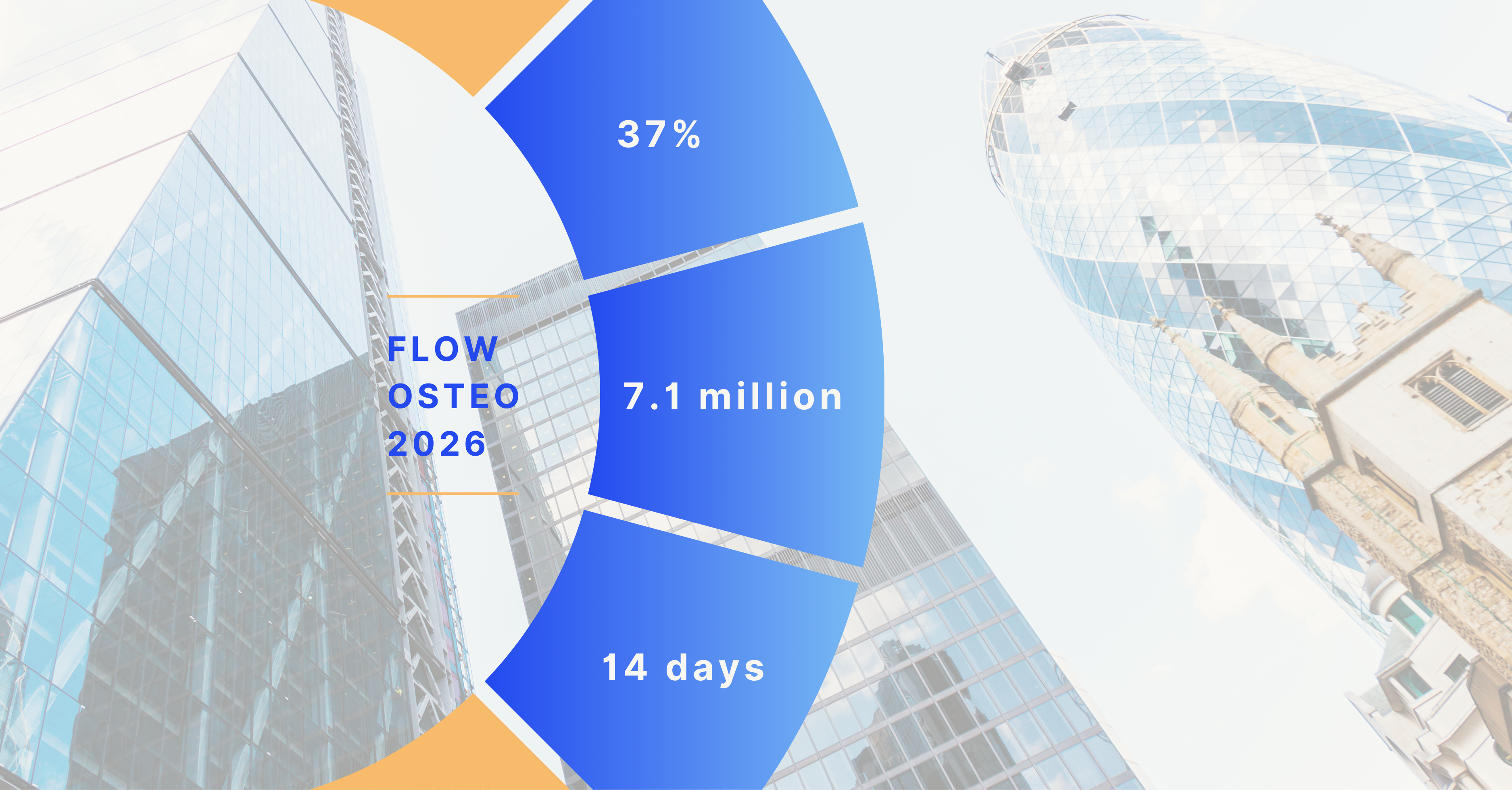
57% of employers are investing in wellbeing. Fewer feel that all that activity is making a real difference. That is not scepticism. It is what happens when the language gets bigger than the results.
As an osteopath supporting people with work‑related pain, I see this gap every week in clinic: employees are surrounded by wellbeing messages but still waiting too long for practical help with problems that are affecting their ability to work.
Workplace wellbeing works best when it reflects what people are actually dealing with. When wellbeing activity connects directly to the factors that make work harder, HR and decision makers may find it much easier to stand behind the spend and explain why it matters.
That means moving some of the focus from “feeling better about work” to “making work physically easier to do.”
When wellbeing stops feeling optional
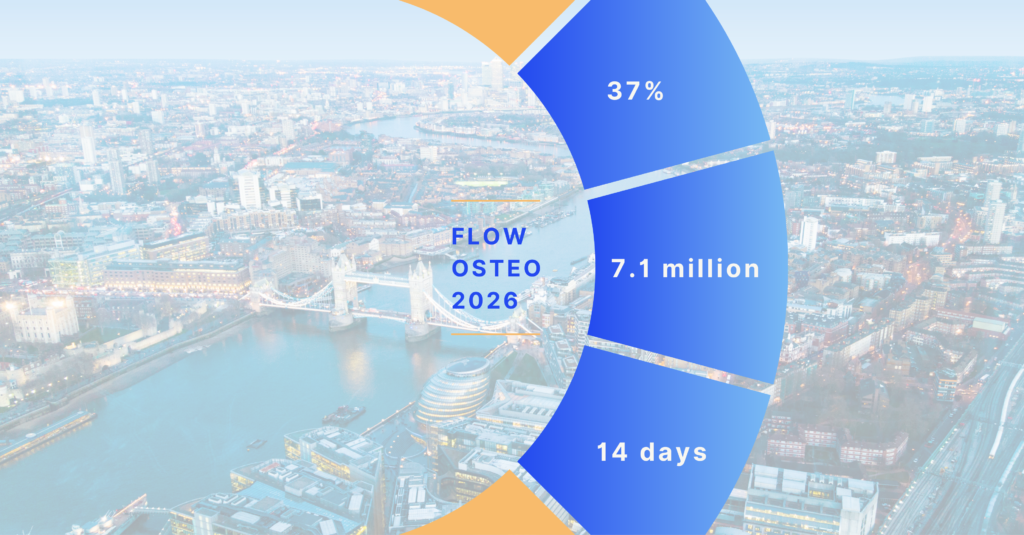
CIPD’s Health and Wellbeing at Work 2025 report shows average employee absence rising to 9.4 days per person, up from 7.8 days in 2023 and 5.8 days in 2022. That shift is equivalent to roughly an extra full‑time role lost to sickness each year for a 250-person organisation. At the same time, 57% of organisations reported having a standalone wellbeing strategy and 37% still described their approach as more reactive than proactive.
In other words, activity is going up, but so is absence.
That creates an uncomfortable question for HR and People teams: if we are doing more, why are our people still off work more often, and why does the support still feel “optional” rather than essential?
Why employers are moving on
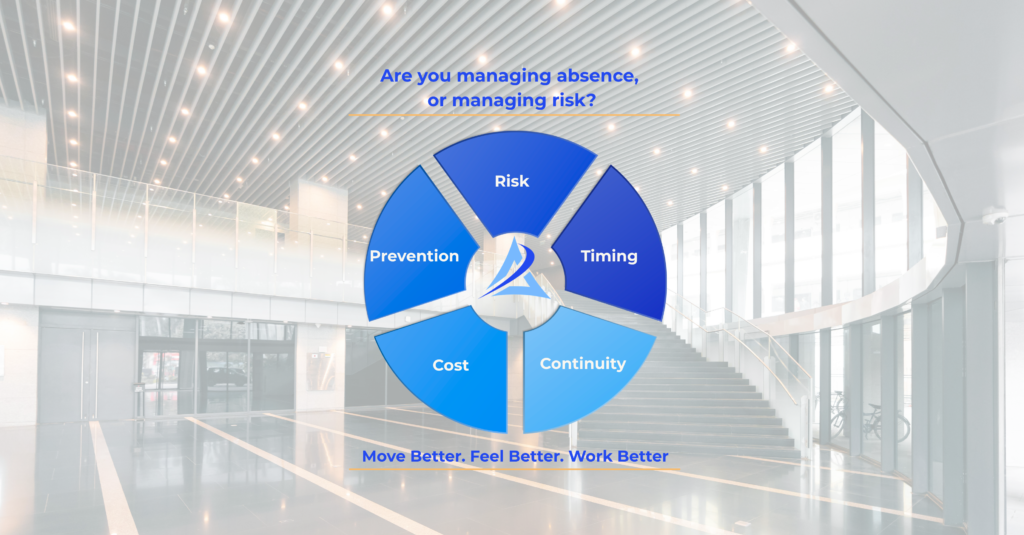
This is the part many wellbeing conversations miss: good intentions are not the same as effective support. A wellbeing offer only becomes credible when it is relevant to the actual risks people face, whether that is workload pressure, poor workstation setup, persistent discomfort, fatigue, or delayed access to practical help.
That is why generic wellness initiatives are losing ground to evidence‑led approaches. Employers want support that is structured, targeted, and realistic about what it can and cannot do. The Society of Occupational Medicine has argued that employers need a step‑change in how they think about employee ill health, and that occupational health expertise should be used earlier, not simply after someone has already gone off sick.
This is less about spending more, and more about re‑balancing spend towards interventions that are clearly linked to an organisation’s risk profile, including musculoskeletal problems, screen‑based work and physically demanding roles.
What a better approach looks like in practice
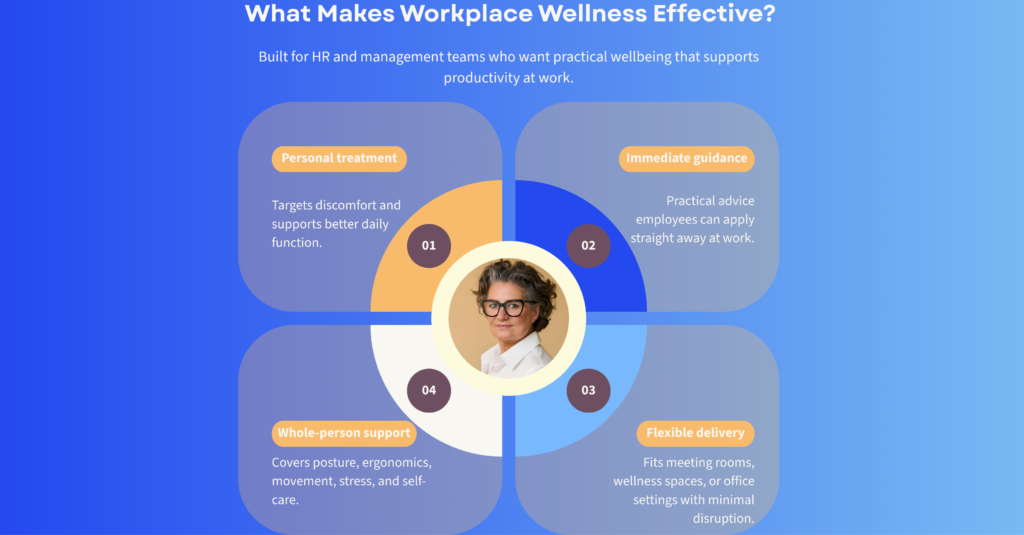
A better workplace wellbeing strategy is not necessarily bigger. It is better matched to the workforce. It focuses on prevention where possible, earlier intervention where needed, and support that fits real working conditions rather than generic wellbeing messaging.
HSE data shows that musculoskeletal disorders remain a major source of lost time, with an average of 14.0 working days lost per case in 2024/25. Where people are dealing with discomfort linked to posture, workstations, repetitive strain, or physically demanding work, practical one‑to‑one support and ergonomic input are often more relevant than broad awareness activity alone.
This is where targeted, on‑site support can make a measurable difference. Employers who trial a workplace osteopathy day with an office‑based team often find that a focused clinic plus workstation checks quickly surfaces recurring issues in a group of employees. The same factors tend to drive most of the discomfort, including how people sit and breathe, how long they stay in one position, and how they respond to pressure. Movement habits, prolonged stillness and breathing patterns influenced by stress and workload often combine with existing niggles or injuries. Making those patterns visible gives HR and line managers something concrete to work with, such as adjusting workstation set‑up, encouraging more movement through the day, or helping people pace tasks when they are managing discomfort, instead of relying only on general wellbeing advice.
Employees do not have to navigate waiting lists or take additional time off to be seen because the support is delivered in the flow of the working day. They get early, evidence‑informed input on their symptoms and work set‑up, and the organisation gets clearer insight into what is driving musculoskeletal absence.
No single service can honestly promise to solve sickness absence. The evidence supports a more measured conclusion: employers are more likely to get value from workplace wellbeing when support is evidence‑informed, professionally delivered, and connected to the actual reasons people struggle at work.
If you are reviewing your current wellbeing offer and want to ensure it is aligned with your musculoskeletal risk profile, you can trial a focused, on‑site intervention with your team. I offer a half‑day workplace osteopathy pilot that brings assessment, brief hands‑on support and workstation input directly into your working day, so you can see how a targeted, evidence‑informed approach performs alongside what you already do.
Reference
CIPD. (2025) Health and wellbeing at work 2025. Chartered Institute of Personnel and Development, London.
Health and Safety Executive (HSE). (2025) Working days lost in Great Britain 2024/25.
Society of Occupational Medicine (SOM). (2025) Health and wellbeing at work – SOM response to CIPD and Simplyhealth research. London: Society of Occupational Medicine.