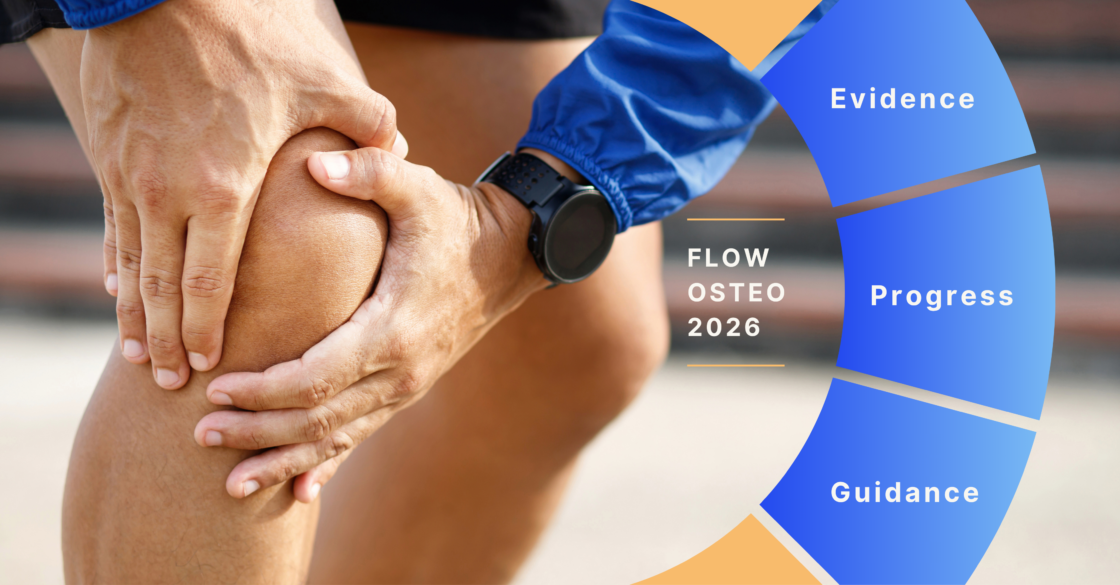

Staying active and injury-free isn’t just for the elite: runners, cyclists, and weekend footballers all want to get the most from training and return to sport confidently after a setback. Recent research in sports medicine, especially in female field and court sports, suggests that structured “prehab” (preventive exercise) built around neuromuscular training can lower the risk of certain lower‑limb injuries, although results vary by sport, programme design, and how consistently people stick with it (Bullock et al., 2025).
Lower‑limb injuries are common in sports that involve running, rapid changes of direction, jumping, or high training loads. Rather than there being one magic exercise, current evidence supports multi‑component programmes that build strength, balance, and movement control, especially when they are performed regularly over time (Bullock et al., 2025).
- Warm up with a plan: Structured neuromuscular warm‑up programmes that include balance or coordination tasks, dynamic movements, and controlled landing or change‑of‑direction drills have been linked with meaningful reductions in injury rates in some groups, but the size of the effect differs between studies and depends on the exact protocol and how well athletes adhere to it (Bullock et al., 2025).
- Build strength and tissue capacity: Progressive strengthening for the hips, thighs, calves, and trunk (for example squats, lunges, bridges, calf raises) is commonly recommended to improve tolerance to training loads; in research these strength exercises are usually one part of a wider injury‑prevention warm‑up, and the evidence supports strength and conditioning as a useful component rather than a standalone guarantee (Bullock et al., 2025).
- Train balance and control: Balance and neuromuscular control drills (for example single‑leg stance variations, hopping/landing mechanics, agility patterns) form a core part of many successful prevention programmes and may help reduce ankle and knee injury risk in some groups, although the size and consistency of benefit can vary, and previous injury or poor control are often important background factors (Bullock et al., 2025).
- Stick with it: Consistency matters – programmes usually work best when performed at least a couple of times per week across the season, with many studies using a minimum of about 10 minutes twice per week; benefits are likely to drop off if the routine stops (Bullock et al., 2025).
- Make it sport‑specific: Adapting exercises to the demands of your sport (speed, direction changes, impact, fatigue) can improve relevance and may help adherence, which is crucial because real‑world studies often report that limited adherence reduces how much benefit athletes actually gain from prevention programmes (Bullock et al., 2025).
How can osteopathic care support you?
Osteopathic care can provide hands on treatment and tailored advice to support comfort, movement confidence, and return to activity planning alongside an exercise based approach. It should be viewed as a complement to (not a replacement for) a well designed strength and conditioning or rehab programme.
Warm up smarter, not harder
Osteopaths assess movement and can help identify modifiable factors (for example stiffness, painrelated guarding, or reduced confidence with certain tasks) that may influence how you warm up and train. Where appropriate, manual therapy may help short term symptoms and make it easier to perform your warm-up and strength work with better quality, although it does not “injury-proof” you on its own.
Get strong and supple
An osteopath can guide progressive loading and technique, so exercises such as squats, lunges, and bridges are scaled to your current capacity. Hands-on treatment may help reduce pain or improve tolerance to movement in the short-term, which can support adherence to strengthening-an important driver of longer-term resilience.
Balance is your secret weapon
If you feel unsteady, keep “rolling” an ankle, or struggle with landing/cutting mechanics, assessment can explore whether issues such as strength, coordination, previous injury or training load might be contributing. Balance drills (such as single leg variations and graded plyometrics) can then be prescribed and progressed in a way that matches your sport and current symptoms.
Stick with it
Osteopathic care can include check-ins to review progress, flare ups, and training load. That ongoing support can make it easier to keep a realistic prehab routine going during busy weeks-one of the main limitations seen in prevention programmes outside research settings.
Make it sport-specific
No two sports are the same, and even within the same sport, roles and training histories differ. At FLOW OSTEO plans can be tailored for football, hockey, running, cycling, or rugby by matching exercise selection and progression to the specific demands you face (speed, impact, direction changes, fatigue), while staying within your current tolerance.
In this article we have only scratched the surface of what the research says about “prehab” for recreational athletes. Future articles will explore specific topics in more depth – such as neuromuscular warm‑up programmes, strength training for runners, and practical balance and landing drills you can build into your weekly routine – so you can make informed, evidence‑aware choices about your own training.

Reference:
Bullock GS, Räisänen AM, Martin CL, Martin MD, Galarneau J‑M, Whittaker JL, et al. Prevention strategies for lower extremity injury: A systematic review and meta‑analyses for the Female, Woman and Girl Athlete Injury Prevention (FAIR) Consensus. British Journal of Sports Medicine. 2025; 1–12.